




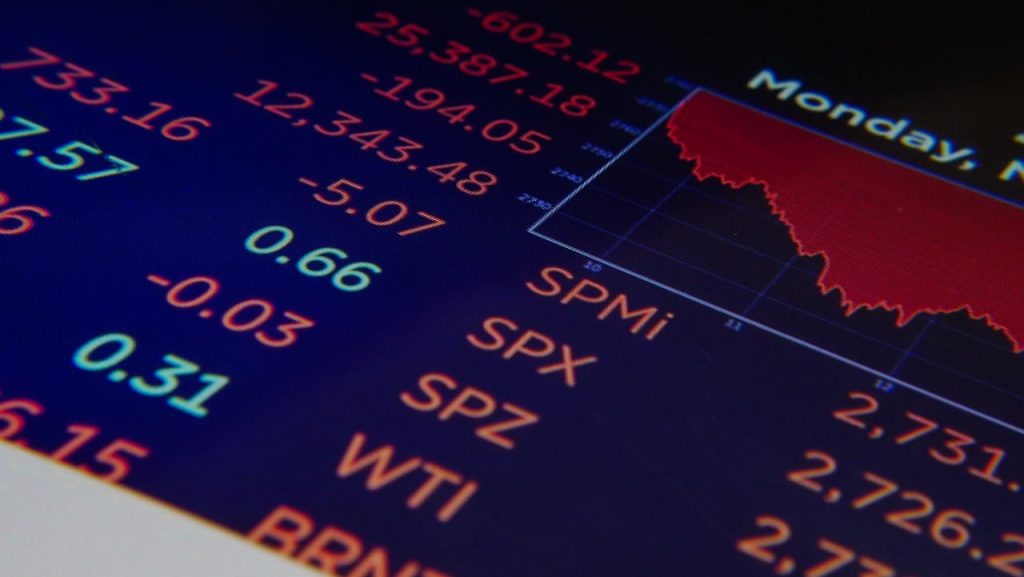
Picture Supply: pexels.com
The elusive dream of completely timing market downturns has captivated traders for generations. Whereas monetary advisors typically preach the gospel of “time out there beats timing the market,” many traders nonetheless try and outsmart bear markets. This pursuit isn’t merely about preserving capital—it’s in regards to the psychological consolation of feeling in management throughout chaotic market situations. But beneath the floor of this seemingly rational technique lie uncomfortable truths that few professionals brazenly talk about. Understanding these hidden realities is likely to be the distinction between monetary safety and expensive errors.
1. Even Professionals Fail at Market Timing Persistently
Skilled fund managers, with their superior levels, refined fashions, and devoted analysis groups, constantly battle to time market downturns successfully. In line with a examine by Morningstar, over 10 years ending in 2020, solely 23% of energetic fund managers outperformed their passive benchmarks. This underperformance isn’t attributable to an absence of effort or intelligence—it stems from the elemental unpredictability of markets.
Market timing requires two excellent selections: when to exit and when to re-enter. Getting only one unsuitable can devastate returns. Many professionals who appropriately predicted the 2008 monetary disaster did not anticipate the speedy restoration that adopted, lacking substantial beneficial properties whereas ready for a “double-dip” recession that by no means materialized.
2. Psychological Biases Make Timing Almost Inconceivable
Our brains are wired with cognitive biases that sabotage market timing makes an attempt. Affirmation bias leads us to hunt info supporting our current beliefs about market route. Recency bias causes us to obese latest occasions, making downturns appear everlasting throughout bear markets. Loss aversion makes us twice as delicate to losses as to equal beneficial properties, typically triggering untimely promoting.
Maybe most damaging is hindsight bias—the tendency to consider previous occasions have been predictable after they’ve occurred. This creates the phantasm that we may have foreseen market crashes, when in actuality, real black swan occasions are acknowledged solely on reflection. These psychological elements clarify why particular person traders’ precise returns sometimes lag market returns by 1-2% yearly.
3. The Price of Being Flawed Is Astronomical
Lacking only a handful of the market’s greatest days can dramatically cut back long-term returns. Analysis from J.P. Morgan exhibits that lacking the ten greatest market days over 20 years would lower returns almost in half. What makes this significantly difficult is that the market’s greatest days typically happen in periods of maximum volatility, continuously inside days or even weeks of its worst performances.
The arithmetic of restoration additionally works in opposition to market timers. A 20% market decline requires a 25% acquire simply to interrupt even. The deeper the decline, the steeper the climb again. Buyers who exit throughout downturns typically anticipate “affirmation” of restoration, lacking the preliminary sharp rebounds that contribute disproportionately to long-term returns.
4. Market Timing Creates Tax Inefficiencies
The tax implications of frequent buying and selling hardly ever issue into market timing discussions. Every profitable market exit doubtlessly triggers capital beneficial properties taxes, instantly decreasing the capital accessible for reinvestment. This tax drag compounds over time, creating a major headwind in opposition to long-term efficiency.
For top-income traders in states with substantial earnings taxes, mixed federal and state tax charges on short-term beneficial properties can exceed 40%. This implies market timing methods should generate returns considerably above buy-and-hold approaches simply to interrupt even after taxes. Few market timing programs can constantly overcome this hurdle.
5. Financial Indicators Usually Mislead Buyers
Many traders depend on financial indicators to time market exits and entries. Nevertheless, markets are forward-looking mechanisms that continuously transfer prematurely of financial knowledge. When recession indicators seem in official statistics, markets have typically already priced on this info.
The COVID-19 market crash and restoration completely illustrated this disconnect. The market bottomed on March 23, 2020, whereas financial knowledge deteriorated for months afterward. Buyers ready for financial “all-clear” alerts missed a 40%+ restoration in main indices. Equally, markets typically start declining whereas financial indicators nonetheless present energy, as they did earlier than the 2008 monetary disaster.
6. The Actual Secret: Threat Administration Beats Market Timing
The uncomfortable reality most professionals received’t admit is that efficient danger administration methods outperform market timing makes an attempt. Reasonably than making an attempt to foretell market actions, profitable traders concentrate on controlling portfolio danger by way of correct asset allocation, diversification, and periodic rebalancing.
Greenback-cost averaging—investing fastened quantities at common intervals no matter market situations—removes emotion from the equation whereas capitalizing on market volatility. This strategy acknowledges our incapacity to foretell short-term market actions whereas harnessing the market’s long-term upward bias.
The Braveness to Keep the Course When Others Panic
Maybe essentially the most priceless talent in investing isn’t timing means however emotional resilience. The capability to take care of conviction throughout market turmoil—when headlines scream catastrophe and others rush for exits—separates profitable traders from the gang. This isn’t about blind religion however understanding market historical past: each bear market has ultimately given approach to new highs.
The true edge comes not from predicting market turns however from getting ready psychologically and financially for inevitable downturns. This implies sustaining acceptable emergency funds, avoiding extreme leverage, and making a written funding coverage assertion to information selections when feelings run excessive.
Have you ever ever been tempted to time the market throughout a downturn? What methods helped you resist the urge to promote when markets plunged?
Learn Extra
Is it time for the market to crash?
5 nice inventory shopping for tricks to follow immediately
(Visited 5 instances, 1 visits immediately)

